
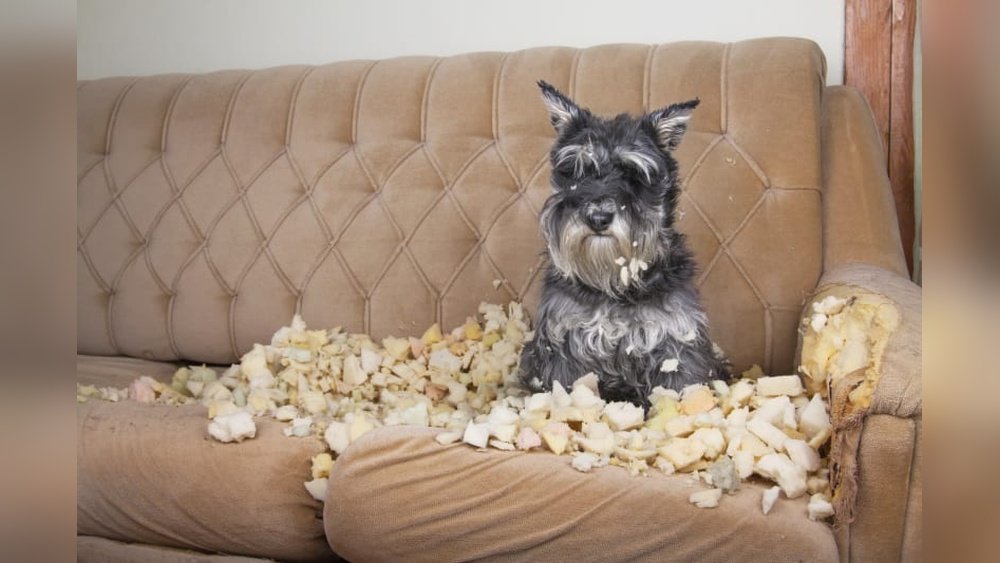
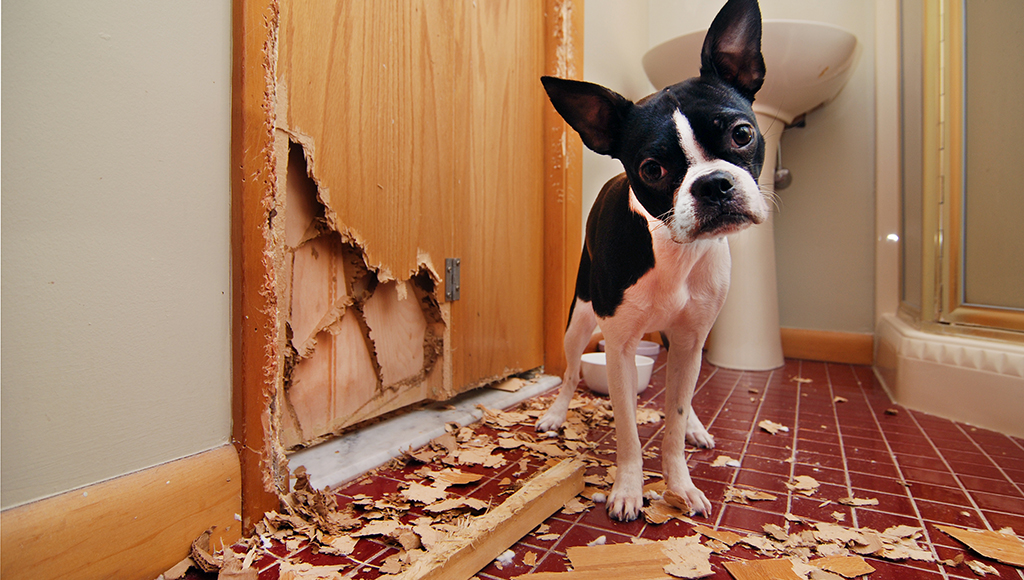
Is your dog constantly chewing on everything in sight—your shoes, furniture, or even things they shouldn’t touch? You’re not alone, and it can be frustrating trying to figure out why your furry friend can’t seem to stop.
Understanding the real reasons behind this behavior is the first step to finding a solution that works for both you and your dog. You’ll discover why dogs chew on everything and what you can do to gently guide your pet toward better habits.
Keep reading to unlock simple, effective tips that will bring peace back to your home.
Credit: www.petassure.com
Teething Troubles
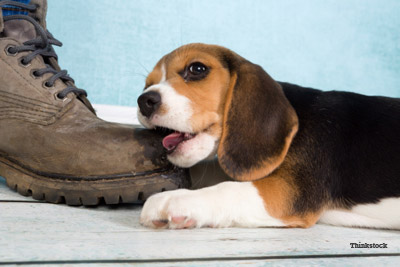
Teething is a challenging time for your puppy—and a major reason why your dog chews on everything. Just like human babies, puppies go through stages where their gums hurt as new teeth push through. This discomfort drives them to chew on anything they can find to relieve the pain.
Understanding The Teething Timeline
Puppies typically start teething around three weeks old and finish by six months. During this time, their sharp baby teeth fall out, making way for adult teeth. Knowing this timeline helps you anticipate when your dog will need extra attention and appropriate chew toys.
Why Chewing Helps Relieve Pain
Chewing applies gentle pressure to sore gums, which eases discomfort. It also massages the gums and promotes healthy tooth growth. If you’ve noticed your puppy obsessively gnawing on your shoes or furniture, it’s likely their way of coping with teething pain.
Safe Chewing Alternatives To Protect Your Home
You can guide your dog’s chewing instincts by providing safe, durable chew toys. Look for options designed specifically for teething puppies—like rubber or nylon toys that soothe gums without breaking apart. Rotating toys keeps your dog interested and reduces the chance they’ll turn to your belongings.
Signs Your Dog’s Chewing May Be Beyond Teething
While teething is a common cause, excessive chewing can sometimes signal boredom or anxiety. If your dog continues chewing destructively past six months or targets the same items repeatedly, it might be time to evaluate their environment. Increasing playtime, walks, or mental stimulation can help curb unwanted chewing behaviors.
Have you tried different chew toys during your puppy’s teething phase? Which ones worked best for your dog? Sharing your experiences can help other pet owners facing the same challenges.
Credit: ecv.vet
Boredom And Lack Of Stimulation
Dogs chew on things for many reasons. One common cause is boredom and lack of stimulation. When dogs do not get enough mental or physical activity, they can feel restless. This restlessness often leads to chewing as a way to pass time and relieve stress.
Chewing helps dogs release pent-up energy. Without enough exercise or playtime, dogs look for other ways to stay busy. Objects around the house become targets for their chewing urges. This behavior is natural but can become destructive if not managed.
Boredom Leads To Destructive Chewing
Dogs left alone for long periods often get bored. Boredom can cause anxiety and frustration. Chewing becomes a way to cope with these feelings. Items like shoes, furniture, and toys may get damaged.
Lack Of Mental Stimulation Triggers Chewing
Mental exercise is as important as physical exercise. Without challenges or new experiences, dogs get bored. Chewing offers a way to explore and engage their minds. Providing puzzles and interactive toys helps reduce this behavior.
Ways To Prevent Chewing Due To Boredom
Regular walks and playtime are essential. These activities tire dogs out and keep them happy. Giving dogs chew toys and puzzles distracts them from household items. Changing toys often keeps their interest high.
Separation Anxiety Effects
Separation anxiety can cause dogs to chew on everything. This behavior often starts when dogs feel stressed or scared being alone. Chewing helps them cope with their anxiety and calm down.
Dogs with separation anxiety may destroy furniture, shoes, or other household items. They try to relieve their nervous energy through chewing. This can make life difficult for owners and pets alike.
Signs Of Separation Anxiety In Dogs
Watch for pacing, whining, or barking when you leave. Your dog may drool more than usual or try to escape. Destructive chewing is a common sign of anxiety in dogs.
Why Chewing Helps Dogs With Anxiety
Chewing releases feel-good chemicals in a dog’s brain. This reduces stress and gives them comfort. It acts like a natural stress ball for dogs feeling lonely.
How To Manage Separation Anxiety Chewing
Provide safe chew toys to redirect destructive behavior. Practice short departures and returns to build confidence. Try calming aids like blankets or pheromone diffusers to help.

Credit: www.monsterk9.com
Exploratory And Play Behavior
Dogs use their mouths to explore the world around them. Chewing helps them learn about new objects and textures. This behavior is a natural way for dogs to gather information and satisfy their curiosity.
Play also encourages chewing. Puppies especially chew to have fun and release energy. Toys and objects become tools for entertainment and exercise. This chewing keeps their minds active and bodies busy.
Exploration Through Chewing
Dogs do not have hands to touch and feel. They rely on their mouths to investigate. Chewing lets them discover tastes, smells, and shapes. This helps dogs understand their environment better.
Chewing As Play
Chewing is a common play activity for dogs. It simulates hunting and catching prey. Puppies chew to develop jaws and teeth. Older dogs chew to relieve boredom and stress.
Importance Of Appropriate Chew Toys
Providing proper chew toys directs chewing toward safe items. This protects your belongings and satisfies your dog’s needs. Toys offer variety, texture, and durability for long-lasting fun.
Stress And Frustration Causes
Stress and frustration often cause dogs to chew on everything around them. Chewing acts as a way for dogs to relieve tension and express their feelings. When dogs feel overwhelmed or anxious, they may turn to chewing as a coping mechanism.
Understanding the link between stress and chewing helps pet owners address the root problem. Providing the right environment and care can reduce your dog’s stress levels and limit destructive chewing.
Stress From Changes In Environment
Dogs are sensitive to changes in their surroundings. Moving to a new home or rearranging furniture can make a dog anxious. This stress often leads to increased chewing as a way to feel secure.
Even small changes, like new people or pets in the house, can cause stress. Chewing helps dogs manage these feelings and regain comfort.
Frustration From Lack Of Exercise
Dogs need daily physical activity to stay calm and happy. Without enough exercise, they become restless and frustrated. This built-up energy often shows through chewing on furniture or shoes.
Regular walks and playtime help reduce this frustration. When a dog is tired, it chews less and behaves better.
Stress Due To Separation Anxiety
Many dogs feel stressed when left alone. Separation anxiety triggers chewing as a way to cope with loneliness. Dogs may chew doors, windowsills, or personal belongings.
This behavior signals a need for more comfort and reassurance. Training and gradual alone-time help ease separation anxiety and reduce chewing.
Breed Tendencies And Instincts
Breed tendencies and instincts play a big role in why dogs chew on everything. Each breed has unique behaviors shaped by their history and original purpose. Understanding these natural instincts helps explain some chewing habits.
Some dog breeds were bred to carry or retrieve objects. Chewing is a natural way for them to explore and carry things in their mouths. Other breeds have strong herding or hunting instincts. These instincts can drive a dog to chew as part of their natural behavior.
Chewing also helps some dogs relieve stress or boredom. Certain breeds need a lot of mental and physical activity to stay happy. Without enough stimulation, they may chew to entertain themselves.
Breeds With Strong Retrieving Instincts
Dogs like Labradors and Golden Retrievers often chew due to their retrieving background. They naturally like to hold and carry items in their mouths. Chewing feels satisfying and natural for them.
Herding Breeds And Their Chewing Habits
Border Collies and Australian Shepherds have strong herding instincts. They use their mouths to control livestock. This behavior can cause them to chew on objects around the house.
Small Breeds And High Energy Levels
Small dogs like Chihuahuas and Jack Russells often chew to burn off energy. Their tiny size does not mean less activity. Chewing helps them stay busy and happy.
Hunting Breeds And Exploratory Chewing
Beagles and other hunting dogs explore the world with their mouths. Chewing satisfies their natural curiosity and need to investigate new smells and textures.
Age And Developmental Stages
Dogs chew for many reasons, but age plays a big role. Different stages in a dog’s life bring new urges to chew. Understanding these stages helps explain why your dog chews on everything.
Chewing is a natural part of a dog’s growth and learning. Puppies and adult dogs chew for different needs. Their reasons change as they grow older.
Chewing During Puppyhood
Puppies chew to relieve pain from teething. Their baby teeth fall out and adult teeth come in. This process can make their gums sore. Chewing helps ease this discomfort.
At this stage, puppies explore their world with their mouths. They learn about objects by biting and chewing them. This behavior is normal and part of their development.
Chewing In Adolescence
Teenage dogs still chew a lot but for new reasons. They test boundaries and learn what is okay to chew. This age is like a “teenage rebellion” in dogs.
Dogs may chew to relieve stress or boredom. They need more exercise and mental challenges to avoid destructive chewing.
Adult Dogs And Chewing Habits
Adult dogs chew less for growth and more for comfort or fun. Chewing can be a way to relieve anxiety. Some dogs chew to keep their teeth clean and jaws strong.
Chewing in adults often means they need more stimulation. Providing chew toys can keep them busy and stop unwanted chewing.
Environmental Triggers
Dogs chew on everything due to several environmental triggers. These triggers can cause stress or excitement, leading dogs to chew more than usual. Understanding these factors helps manage and reduce unwanted chewing behavior.
Changes In Surroundings
Dogs react to new environments by chewing. Moving to a new home or rearranging furniture can confuse dogs. Chewing helps them cope with the change and feel secure.
Lack Of Stimulation
Boredom is a major cause of chewing. Dogs need mental and physical activities daily. Without enough exercise or play, dogs chew to entertain themselves.
Separation Anxiety
Dogs left alone for long periods may chew. This behavior reduces their stress and anxiety. Chewing offers comfort when their owners are away.
Noise And Crowds
Loud noises or busy places can upset dogs. They may chew objects to release nervous energy. This helps calm them during stressful events.
Providing Appropriate Chew Toys
Providing appropriate chew toys is a key step to stop your dog from chewing everything. Dogs have a natural urge to chew. They need safe and fun items to satisfy this urge. Giving the right toys helps protect your belongings and keeps your dog happy.
Choosing the right chew toys means picking ones that match your dog’s size and chewing style. Hard toys work well for strong chewers. Softer toys suit gentle chewers or puppies. Always check toys for damage and replace them if broken.
Rotate the toys often to keep your dog interested. A fresh toy can catch their attention and reduce boredom. Also, use toys that can be stuffed with treats. These toys keep your dog busy and mentally active for longer.
Safe Materials For Chew Toys
Pick chew toys made from non-toxic materials. Rubber and nylon are good choices. Avoid toys with small parts that can break off and cause choking. Look for brands that test their toys for safety.
Types Of Chew Toys
There are many types of chew toys available. Rope toys help clean your dog’s teeth. Chew bones satisfy the need to gnaw. Puzzle toys challenge their mind and reduce boredom. Variety keeps chewing fun and healthy.
Introducing Chew Toys To Your Dog
Show your dog how to use new chew toys. Praise them when they chew the toy instead of your things. Place toys in areas your dog likes to chew. This encourages good chewing habits and protects your home.
Training And Exercise Solutions
Training and exercise play a key role in stopping your dog from chewing everything. Dogs often chew out of boredom or lack of physical activity. Giving your dog the right training and enough exercise can reduce this behavior. It helps your dog use energy in a positive way and learn what is okay to chew.
Provide Regular Physical Exercise
Daily walks or play sessions help burn off excess energy. A tired dog is less likely to chew on furniture or shoes. Try to give your dog at least 30 minutes of exercise each day. Playing fetch or running in a safe area are great options. Exercise also helps reduce stress, which can cause chewing.
Use Positive Reinforcement Training
Train your dog to chew only on toys. Praise and reward your dog when it uses its toys. This teaches what is acceptable to chew. Avoid punishment, as it can cause fear and confusion. Consistency is important. Repeat commands and reward good behavior often.
Offer Plenty Of Chew Toys
Provide a variety of chew toys that are safe and interesting. Rotate toys to keep your dog engaged. Chew toys can satisfy your dog’s need to chew. They also protect your belongings from damage. Choose toys based on your dog’s size and chewing strength.
Establish A Routine
Dogs feel safe with a daily routine. Set regular times for feeding, exercise, and play. A predictable schedule helps reduce anxiety and boredom. Boredom is a common cause of destructive chewing. A routine keeps your dog’s mind active and focused.
Frequently Asked Questions
What Are The Signs Of An Unhappy Dog?
Signs of an unhappy dog include withdrawal, lethargy, loss of appetite, restlessness, behavior changes, and lack of interest in activities.
At What Age Will My Dog Stop Chewing Things?
Dogs usually reduce chewing by 12 to 18 months as teething ends and maturity sets in. Provide toys and exercise to redirect chewing habits.
What Dog Breeds Are Prone To Chewing?
Labradors, Border Collies, Jack Russells, Beagles, Golden Retrievers, and Chihuahuas often chew due to instinct, energy, and boredom.
Do Dogs Ever Stop Chewing On Things?
Dogs may reduce chewing as they mature, but some chew due to boredom or anxiety. Provide toys and exercise to limit it.
Conclusion
Dogs chew for many reasons like teething, boredom, and stress. Providing toys and regular exercise helps reduce unwanted chewing. Training and patience are key to guiding your dog’s behavior. Remember, chewing is natural but needs proper management. Stay consistent and observe your dog’s needs closely.
This way, you protect your belongings and keep your dog happy. Understanding why your dog chews helps you create a better home environment. Keep offering love, attention, and suitable outlets for chewing. Your dog will benefit, and so will your home.