
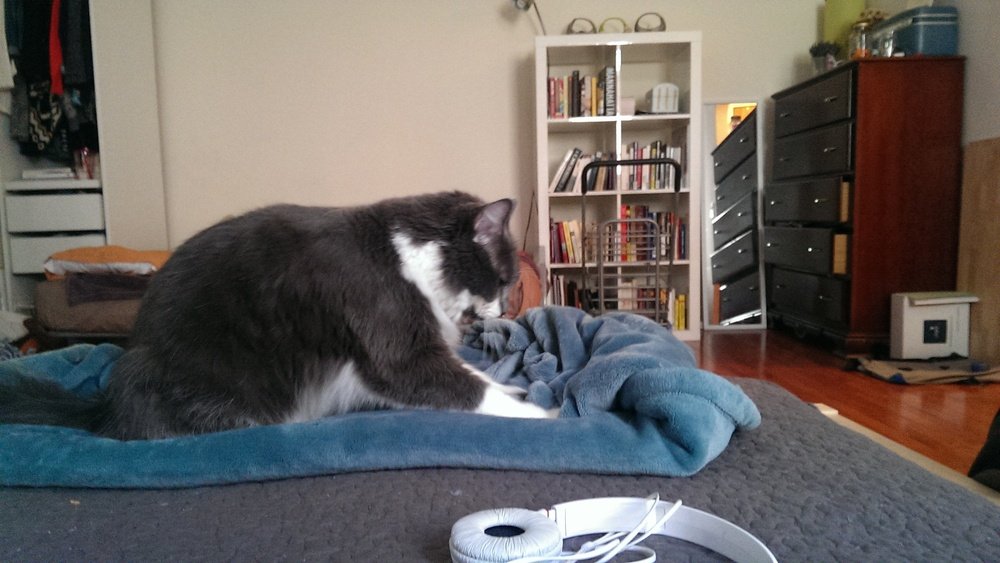
Have you ever watched your cat rhythmically press its paws into your softest blanket and wondered, “Why does my cat do that?” This curious behavior, often called “making biscuits,” is more than just adorable—it’s a window into your cat’s feelings and instincts. When your feline friend kneads blankets, they’re not just being cute; they’re comforting themselves, marking their territory, and even stretching their muscles.
If you want to understand what your cat is really telling you every time those paws start moving, keep reading. Discover the surprising reasons behind this instinctual habit and learn how it shows your cat’s trust and happiness in your home.
Origins Of Kneading
Cats knead blankets because the behavior starts early in life. It comes from kittenhood habits. Kittens push their paws rhythmically on their mother’s belly. This action helps milk flow during nursing.
The motion feels safe and comforting to kittens. As adults, cats repeat kneading to feel secure and calm. They also use it to stretch their muscles and relax.
Kneading is more than just a habit. It connects cats to their earliest experiences of warmth and care. This instinct stays with them throughout their lives.
Kittens knead their mother’s belly to help milk flow. This rhythmic motion triggers the release of milk. The action creates a strong bond between mother and kitten.
Adult cats keep this behavior as a way to comfort themselves. The motion reminds them of safety and nourishment. It helps reduce stress and anxiety.
Self-soothing & Happiness
Kneading shows a cat is relaxed and happy. Cats often purr while kneading, signaling contentment. The behavior releases feel-good hormones called endorphins.
When cats knead blankets, they create a cozy, safe space. This action helps them feel calm and peaceful. It is a natural way to relieve tension.
Nursing Instincts
Cats knead blankets because of their nursing instincts. This action starts when they are kittens. They press their paws rhythmically on their mother’s belly. This helps stimulate milk flow, making feeding easier.
The motion feels safe and comforting. As adult cats, they keep kneading to feel calm. It reminds them of warmth, food, and security from kittenhood.
Kneading is a leftover behavior from kittenhood. Kittens instinctively push on their mother’s mammary glands. This action triggers milk production. The motion is linked to safety and comfort.
Adult cats knead to comfort themselves. It helps reduce stress and anxiety. The movement releases endorphins, which make them feel good. It also stretches their muscles gently.
Comfort And Security
Cats knead blankets to feel comfort and security. This action brings them calmness and peace. It is a natural way for cats to relax. The soft texture of blankets makes it easier for them to feel safe.
Kneading reminds cats of their early days with their mother. It helps them feel warm and protected. This is why cats often knead when they settle down to rest. The behavior connects them to a sense of home and safety.
Instinctual Comfort From Kittenhood
Kittens knead their mother’s belly to get milk. This motion creates a strong bond and trust. Adult cats keep kneading to recreate that feeling. It is a deep-seated habit that soothes their minds.
Creating A Safe Space
Kneading soft blankets helps cats mark a place as theirs. Their paws release scent markers during the process. This signals to other animals that the spot is safe. It gives cats a sense of control and protection.
Stress Relief And Happiness
Kneading triggers the release of happy hormones in cats. It reduces anxiety and stress quickly. Cats often purr while kneading, showing contentment. This behavior means your cat feels secure and loved.
Credit: www.softminkyblankets.com
Marking Territory
Cats use kneading to mark their territory. Their paws have scent glands. When cats press their paws into blankets, they leave a unique scent behind. This scent signals that the blanket belongs to them. It helps cats feel safe and secure in their environment.
Marking territory is a natural behavior for cats. It tells other animals to stay away. Even if no other pets are around, cats still mark spots. This action reassures them that they have control over their space.
How Scent Glands Work
Cats have small scent glands between their paw pads. When they knead, these glands release pheromones. Pheromones carry messages only other cats can detect. The scent left on blankets is a silent way of saying, “This is mine.”
Why Blankets Are Popular
Blankets are soft and warm, perfect for kneading. The texture feels good on a cat’s paws. Blankets also hold scents well, making them ideal for marking. Your cat may choose the same blanket repeatedly to keep its scent strong.
Territory Marking Helps Reduce Stress
Kneading and marking territory help cats feel calm. Leaving their scent on a blanket creates a safe zone. This reduces anxiety, especially in new or noisy places. The act of kneading itself also releases calming chemicals in their brain.
Stretching Muscles
Cats knead blankets to stretch their muscles and feel comfort. This instinct comes from kittenhood when they knead their mother’s belly. Kneading helps them relax and mark their space with scent from their paws.
Cats knead blankets to stretch their muscles gently. This motion helps them stay flexible and agile. Their paws push and pull the soft surface rhythmically. It feels good and loosens tight muscles after resting or sleeping.
Stretching also prepares their bodies for activity. Kneading mimics the natural stretching cats do in the wild. It keeps their legs, paws, and claws in good shape. This simple habit supports their overall health and comfort.
Credit: shamelesspets.com
Releasing Endorphins
Cats knead blankets to feel calm and happy. This motion helps release endorphins, making them feel relaxed and safe. It’s a comforting habit that reminds them of kittenhood.
Cats knead blankets to feel calm and happy. This action helps them release endorphins. Endorphins are natural chemicals in the brain. They create a feeling of pleasure and reduce stress.
When cats knead, their brains release these feel-good chemicals. The motion comforts them and helps them relax. It is similar to how humans feel after exercise or laughter.
This behavior often starts in kittenhood. Kittens knead their mother to get milk. As adults, kneading keeps giving them joy and peace.
The soft blanket acts like a safe place. It lets cats enjoy the endorphin release. This makes the blanket a favorite spot for many cats.
Why Endorphins Matter To Cats
Endorphins help cats stay calm in new or scary situations. When a cat kneads, it lowers anxiety and stress. This helps them feel secure and happy.
Endorphins also reduce pain. If a cat feels discomfort, kneading can ease it. This natural pain relief is one reason cats knead often.
How Kneading Affects Cat Behavior
Kneading signals a cat’s good mood. Cats often purr while kneading, showing contentment. This behavior shows they trust their environment.
Owners notice that kneading cats are usually relaxed. It is a sign of emotional health in cats. It helps them bond with their humans too.
Kneading And Purring Connection
Cats knead blankets to feel safe and calm, a habit from kittenhood. This motion helps them relax and show happiness. Purring often joins kneading, signaling comfort and contentment.
Cats often knead blankets while purring. These two actions are closely linked. Kneading helps cats feel calm and safe. Purring is a sign of happiness and comfort. When a cat kneads and purrs at the same time, it shows they are relaxed and content.
Many cats start kneading as kittens when nursing. The motion helps them get milk from their mother. The purring during this time reassures both the kitten and mother. As adults, cats keep kneading and purring to soothe themselves. It is a comforting ritual that brings peace.
How Kneading Triggers Purring
Kneading activates nerve endings in the cat’s paws. This sends calming signals to their brain. The brain then releases endorphins, natural chemicals that reduce stress. These endorphins often cause a cat to purr. Purring further enhances the relaxing effect of kneading.
This cycle creates a positive feedback loop. The more they knead, the more they purr. The more they purr, the more relaxed they become. This explains why cats knead blankets and purr for long periods.
Emotional Comfort And Bonding
When cats knead and purr, they feel emotionally secure. This behavior is a way to express trust and happiness. Cats may knead and purr on their owner’s lap or favorite blanket. These spots remind them of safety and love. It strengthens the bond between cat and human.
Because of this, many cat owners enjoy these moments. The sound of purring and the sight of kneading show a happy pet. It signals that your cat feels at home and cared for.
Blanket Preference Explained
Cats choose blankets carefully for kneading. The texture matters most. Soft, warm blankets feel like their mother’s fur. This feeling brings them comfort and safety.
Blankets that are too rough or cold may not attract kneading. Cats prefer materials that are gentle on their paws. This helps them relax and enjoy the motion.
Familiar scents on a blanket also play a role. Cats use kneading to spread their own scent. It marks the blanket as their safe space.
Texture And Softness
Cats favor blankets with a soft surface. Plush, fleece, and cotton are popular choices. These materials mimic the softness of their early life.
The softness invites them to knead deeply without discomfort. It also helps them stretch their paws and claws safely.
Warmth And Comfort
Warm blankets attract cats for kneading. Warmth reminds them of their mother’s body heat. This warmth soothes their muscles and calms their mind.
Cold or damp blankets discourage kneading. Cats seek cozy spots that hold their body heat well.
Scent And Familiarity
Cats use kneading to mix their scent with the blanket. This action creates a personal, familiar space. It makes them feel secure and relaxed.
Blankets that smell like the owner or home often become favorites. The scent adds another layer of comfort during kneading.
Kneading And Stress Relief
Kneading blankets is more than a cute habit for cats. It helps them reduce stress and feel safe. This behavior often starts in kittenhood and stays with them as adults. Cats use kneading to calm their nerves and feel comforted.
The rhythmic motion of pressing their paws into soft blankets releases endorphins. These are natural chemicals in the brain that improve mood and ease tension. The gentle pressure also reminds cats of their early days nursing from their mother. This memory brings a sense of security and peace.
Kneading As A Calming Ritual
Kneading acts as a natural stress relief for cats. The repetitive motion helps them focus and relax. It can lower their heart rate and reduce feelings of anxiety. Cats often knead before sleep or during moments of uncertainty. This simple action helps them regain calmness.
Physical Comfort From Kneading
The soft texture of blankets adds to the soothing effect. Cats press their paws into the fabric, which feels warm and cozy. This physical comfort supports emotional relaxation. It also helps stretch their muscles gently, easing any tension in their bodies.
Emotional Connection And Security
Kneading blankets can also mark a safe space for cats. They have scent glands in their paws that leave a familiar smell. This scent marking makes the blanket feel like a personal, secure area. It reassures cats and reduces stress in new or noisy environments.

Credit: www.reddit.com
Adult Cats Vs Kittens
Cats knead blankets as a comforting habit rooted in kittenhood. Kittens knead their mother to get milk, while adult cats do it to feel safe and relaxed. This behavior also helps them stretch and mark their space with scent.
Kneading blankets is a common behavior in both kittens and adult cats. This action starts early in kittenhood and continues into adulthood. The reasons behind kneading change as cats grow older.
Kittens knead to stimulate their mother’s milk flow. It is a natural reflex that helps them feed and stay close to their mother. The soft, repetitive motion comforts them and strengthens their bond.
Adult cats knead for different reasons. They often knead soft blankets to relax and feel safe. This behavior helps them release stress and feel happy. It also allows them to mark their territory using scent glands in their paws.
Kittens’ Nursing Instinct
Kittens knead their mother’s belly to start milk flow. This motion is rhythmic and gentle. It signals hunger and comfort. Kneading helps kittens bond with their mother and siblings.
This instinct stays with cats even after weaning. It creates a feeling of security. Kittens often knead before sleeping or when they feel calm.
Adult Cats’ Comfort And Marking
Adult cats knead blankets to feel safe and relaxed. The motion releases endorphins, which make cats feel good. Kneading helps reduce anxiety and stress.
Cats also mark their blankets when they knead. Their paws have scent glands that leave a unique smell. This marks the area as their personal space. It helps cats feel more comfortable and in control.
Should You Encourage Kneading?
Encouraging your cat to knead can create a stronger bond between you. This behavior shows your cat feels safe and relaxed around you. Kneading helps cats release stress and express comfort. Allowing your cat to knead on blankets or soft surfaces supports their natural instincts.
However, sometimes kneading can lead to scratched furniture or discomfort if claws are involved. Watching your cat’s body language helps decide when to encourage or gently stop kneading. Providing a special blanket or soft mat gives your cat a safe place to knead.
Benefits Of Encouraging Kneading
Kneading helps cats relax and feel calm. It also strengthens the emotional connection with their owner. Cats that knead often show less anxiety and stress. Encouraging this behavior can make your cat happier and more comfortable in your home.
When Kneading Becomes A Problem
Kneading can cause scratches if claws are not trimmed. Some cats knead too hard, which may hurt your skin. If your cat bites or claws while kneading, it might be best to redirect their behavior. Providing toys or scratching posts can help reduce any damage.
How To Encourage Healthy Kneading
Give your cat soft blankets or cushions to knead on. Keep their claws trimmed to avoid accidental scratches. Praise your cat gently when they knead calmly. Avoid punishing your cat, as kneading is a natural and comforting act.
What Kneading Means For Your Bond
Kneading shows your cat feels safe and connected to you. This gentle pressing is a sign of comfort and trust. It deepens the bond between you and your furry friend.
Cats kneading blankets shows trust and comfort with you. This action connects your cat’s past with their present feelings. It is a sign they feel safe and relaxed in your presence.
Kneading is more than just a habit. It builds a silent communication between you and your cat. When your cat kneads, they share a moment of peace and affection.
This gentle motion also means your cat sees you as part of their family. They repeat the motion they used as a kitten to feel close to their mother. You become their comfort source now.
Trust And Comfort
Kneading shows your cat trusts you deeply. They pick soft blankets or even your lap to knead. This means they feel secure enough to relax completely.
The act releases calming hormones in your cat’s body. It helps them stay happy and stress-free. Your presence makes this feeling stronger and more lasting.
Expressing Affection
When your cat kneads near you, it is a way of saying “I love you.” This behavior is similar to a hug or a gentle touch. It is their way of sharing warmth and affection.
Some cats also purr while kneading. This combination shows they enjoy your company and feel emotionally connected. It is a sweet sign of their bond with you.
Marking Their Territory
Cats have scent glands in their paws. When they knead, they leave their scent on the blanket or your skin. This helps them claim the space as safe and familiar.
By marking you or their favorite blanket, cats show they see you as part of their world. It strengthens the feeling of belonging between you and your pet.
Frequently Asked Questions
Should You Pet A Cat While Kneading?
Petting a cat while kneading is usually welcome, as it shows comfort and trust. Watch their reaction to be sure.
Are Cats Happy When They Knead?
Cats knead when they feel happy and relaxed. This behavior comforts them and releases feel-good endorphins. Kneading also marks their territory with scent glands in their paws.
Should I Let My Cat Knead My Blanket?
Let your cat knead your blanket; it comforts them, releases happy hormones, and marks their territory. It’s a natural, soothing behavior.
How Do You Tell If A Cat Has Chosen You?
A cat chooses you by showing trust, seeking your attention, following you, and purring when near. They knead and headbutt you.
Conclusion
Cats knead blankets for comfort, security, and habit. This simple act connects them to kittenhood and their mother’s warmth. Kneading helps cats feel calm and happy. It also marks their favorite spots with their scent. Watching a cat knead shows trust and contentment.
Next time your cat kneads, know it means they feel safe and loved. This natural behavior is a small but meaningful part of your cat’s life. Enjoy these moments—they reveal your cat’s gentle, caring nature.